Kalenborn Kalprotect – Made to measure: Dense media cyclone with KALCOR lining
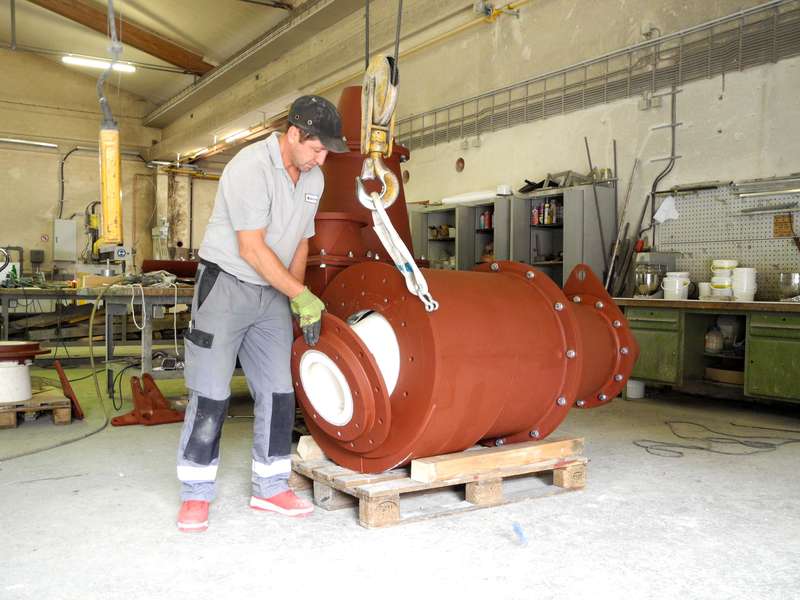
Coal is one common raw material for the manufacture of coke, which is used as the fuel for blast furnaces. One leading steel producer in India therefore runs its own coal mines in the country. These sites have their coal washeries which employ “dense media” cyclonic separators. A dense media cyclone separates magnetite and other […]
Wear protection with insulation: Protection for steelworks
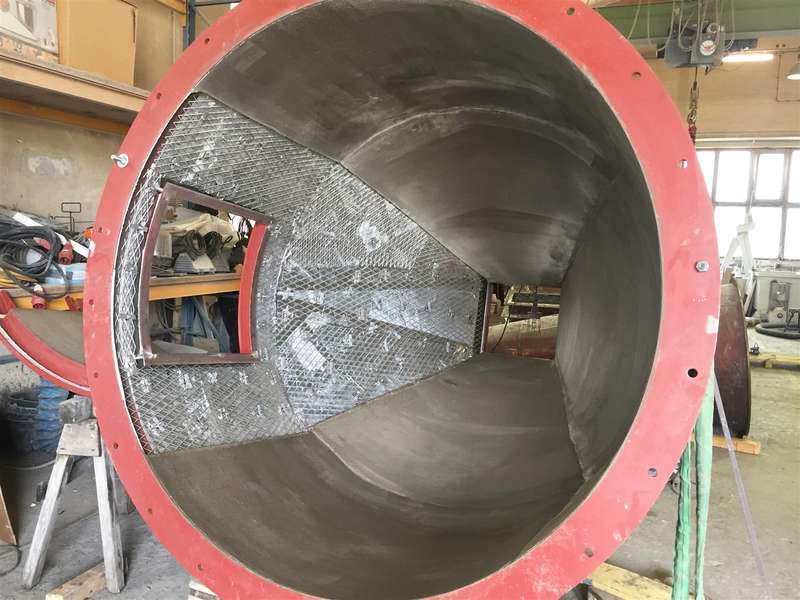
About 30% of the steel manufactured in Germany is made of recycled scrap metal. The old scrap material is not rendered molten in a blast furnace but in an electric arc furnace with the help of a DC arc process. This process requires an electric arc with 100 megawatts of power which is ignited in […]
Hardcompound KALCRET protects cyclone separator from wear and tear
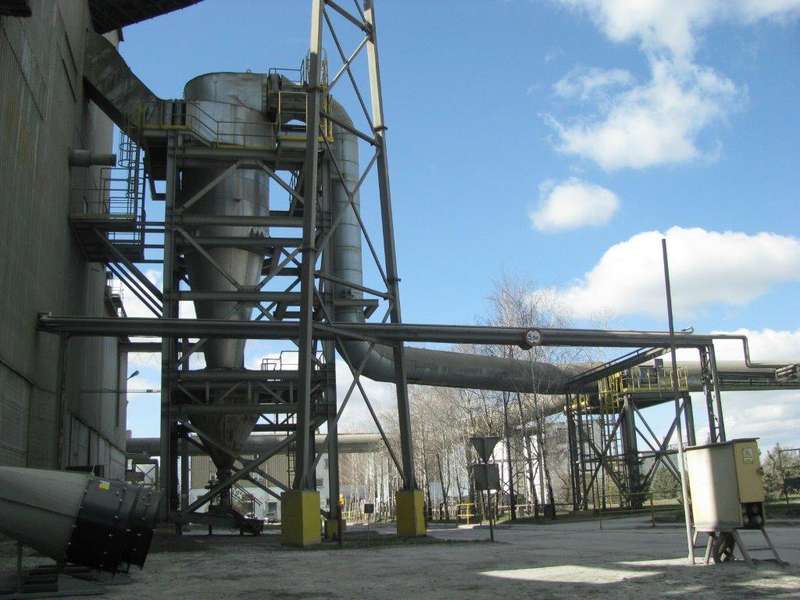
The Cement Plant in Chełm belongs to one of the largest corporations worldwide manufacturing building materials. It specialises in manufacturing Portland cement (fly ash, lime or mixed cement types) and special cement types, including but not limited to the ones for road construction. At present, the company has been cooperating regularly with Kalenborn Bazalt. The […]
Good protection is half the battle won
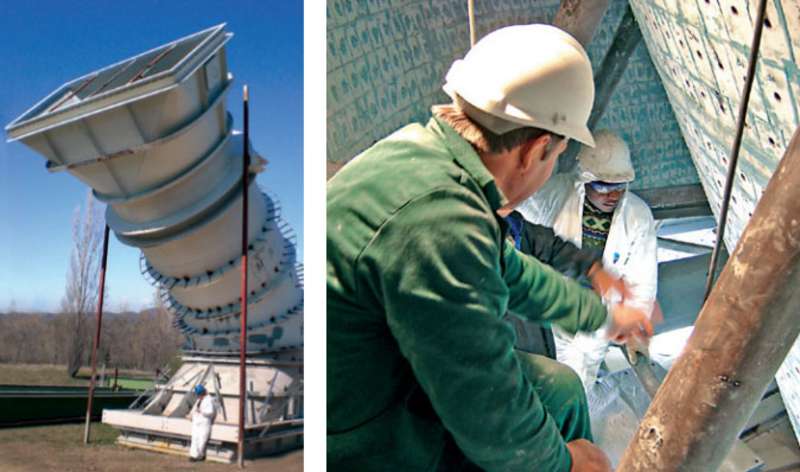
The south of France not only boasts olive plantations and fields of lavender. The region is also home to cement works which present Kalenborn with new challenges. In order to optimise the process of grinding cement, a European cement manufacturer decided to procure a new vertical roller mill. However, as the facility only produces special […]
Combatting extreme wear at high temperatures: Combined lining for a drying plant
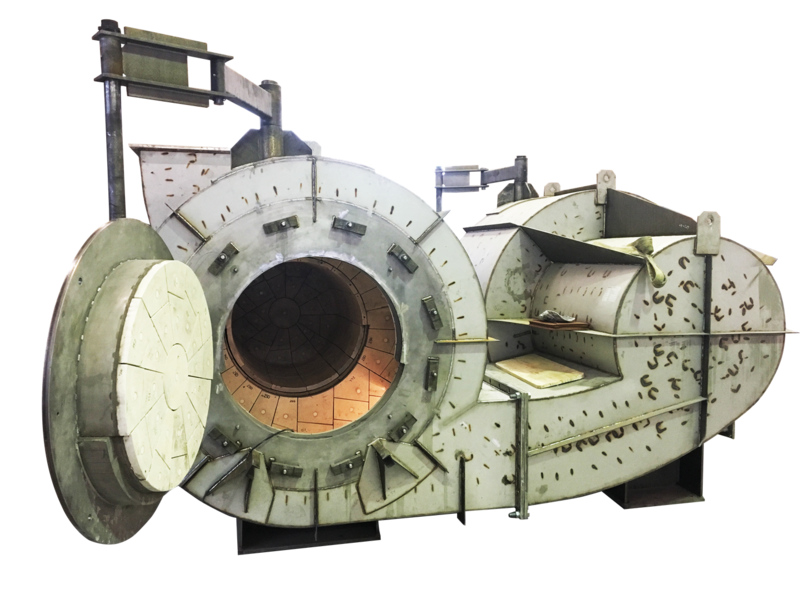
Our client, a leading chemical firm from the USA, produces catalysts for the petrochemicals industry. Kalenborn has been supplying solutions and components to the company’s plants for many years now. Among the places where our wear protection is used is a drying plant. A burner dries very finely grained aluminium silicate at some 900°C before […]
KALENBORN ABRESIST: Producing solar energy with Kalenborn
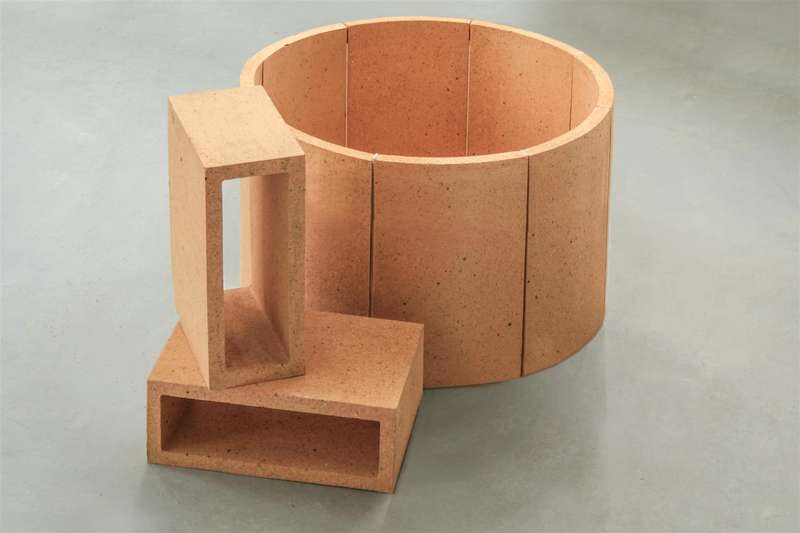
Silicon is one of the most abundant elements on earth. As polysilicon, it is used especially in solar cells. Its crystal structure helps convert solar energy into electrical energy. At the same time, however, this property enables high wear in the production plants. We ensure the right form of protection. Kalenborn serves notable chemical companies […]
Protect what keeps us warm
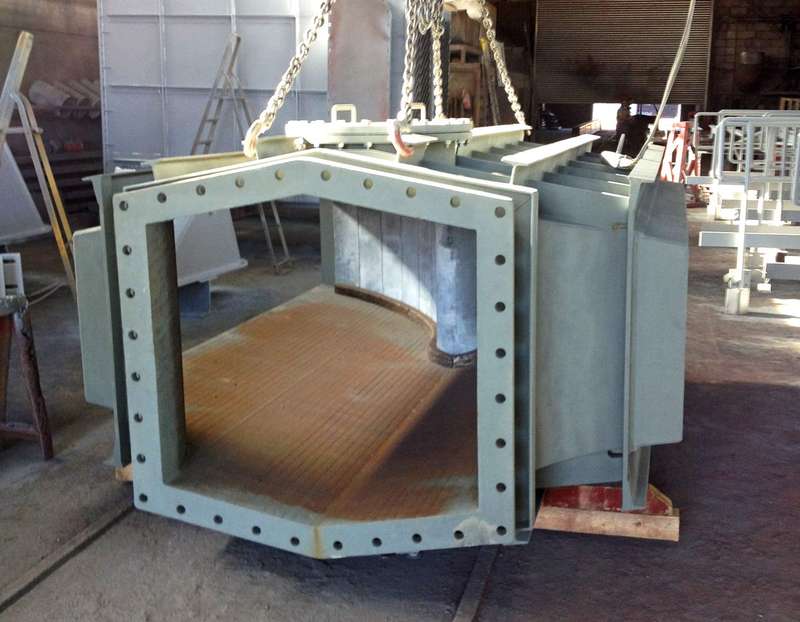
Kalenborn’s wear protection solutions are also needed in Northern regions. At the plant of Estonia’s leading producer of shale oil, oil shale is separated to produce shale oil and shale gas. The raw materials which are obtained are required to produce fuel for households. Shale oil is also a popular fuel used by ships sailing […]
Schützen, was uns warm hält
Kalenborner Verschleißschutzlösungen sind auch im Norden gefragt. Im Werk des führenden estnischen Schieferöl-Produzenten wird Ölschiefer zu Schieferöl und Schiefergas getrennt. Die gewonnenen Rohstoffe werden benötigt, um Heizmaterial für Haushalte herzustellen. Schieferöl ist außerdem ein beliebter Treibstoff für Schiffe im atlantischen und arktischen Ozean. Das Unternehmen produziert mehr als 250.000 Tonnen Schieferöl pro Jahr. Für diese […]
KALENBORN ABRESIST: Mit Kalenborn zur Sonnenenergie
Silizium ist eines der häufigsten Elemente auf der Erde. Als Polysilizium wird es vor allen Dingen in Solarzellen eingesetzt. Seine Kristallstruktur hilft dabei, Sonnenenergie in elektrische Energie umzusetzen. Gleichzeitig sorgt diese Beschaffenheit für hohen Verschleiß in den Produktionsanlagen. Wir sorgen für den richtigen Schutz. Kalenborn betreut weltweit namhafte Chemiekonzerne und Polysilizium-Hersteller. Für die kundenspezifischen Lösungen […]
Gegen extremen Verschleiß bei hohen Temperaturen: Kombinationsauskleidung für eine Trocknungsanlage
Unser Kunde, ein führendes Chemieunternehmen aus den USA, produziert Katalysatoren für die Petrochemie. Bereits seit vielen Jahren liefert Kalenborn Lösungen und Bauteile für die Anlagen des Unternehmens. Unser Verschleißschutz kommt in einer Trocknungsanlage zum Einsatz. Ein Brenner trocknet sehr feinkörniges Aluminiumsilikat mit rund 900 °C, bevor das Fördergut mit ca. 600 °C Resttemperatur in den […]